
Stop Blaming the Fire


There is a particular kind of argument that feels righteous because it is simple, and simple because it has never been seriously stress tested. The position taken by parts of the textile recycling community on incineration has become one of those arguments. It circulates at industry events, in policy submissions, in LinkedIn posts from people who genuinely care about textile waste, and it goes something like this: incineration is bad, recycling is good, and any tolerance for the former represents either moral cowardice or industry capture. If we accept incineration, we are accepting defeat. If we build incinerators, we are building cages for the circularity we claim to want.
The problem is not only that this argument is weak. It is that it shows how shallow parts of the waste management conversation still are.
Let me be precise about what I am not saying. I am not saying incineration is a desirable long term destination for textile waste. I am not saying it is equivalent to recycling, or that it should be actively expanded, or that a world saturated with properly functioning fibre to fibre recycling would still have much use for it. What I am saying is that the specific claims made against incineration, when examined against the actual physical, chemical, and systems level realities of how waste flows through society, often do not hold up. And the people making them most loudly tend to be the same people who are most invested in the recycling sector’s growth, which does not automatically make them wrong, but it does mean we should look more carefully at how the argument is built.
The foundational case for tolerating incineration is not complicated, but it keeps being misrepresented. The claim is not that incineration is a great outcome. The claim is that when textile waste volumes exceed the processing capacity of recycling infrastructure, which they do by an enormous margin, the realistic alternatives are often landfill and incineration. Recycling is not a ready substitute for incineration at current scale. It is a future aspiration for a fraction of that volume. Incineration, in the interim, keeps material out of landfill, and landfill is usually the worse outcome across several critical environmental dimensions, including long term leachate risks, methane generation from biogenic fractions, land consumption, and the permanent loss of any residual material or energy value.
The argument that we should stop incinerating textiles so that recycling can grow ignores the fact that the volume of material currently incinerated vastly exceeds any plausible near term recycling throughput. Mechanical recycling for textiles remains constrained by sortation quality, fibre length degradation, and blended composition. Chemical recycling is largely pre commercial or still operating at limited scale. The notion that shutting down or pressuring incineration creates a vacuum that recycling infrastructure then naturally fills is a policy fantasy with little grounding in how capital intensive industrial systems actually develop. Capacity does not appear because demand is artificially concentrated. Infrastructure is built because the economic and regulatory conditions make investment viable. Those conditions are shaped far more by feedstock quality, offtake certainty, capital cost, policy mandates, gate fees, and procurement behaviour than by the mere existence of incineration.
What incineration actually manages, in the current system, is the overflow. It is the relief valve on a system that is producing textile waste at a rate no combination of reuse, recycling, and composting is remotely prepared to absorb. Attacking that relief valve without a credible plan for what replaces its function is not environmentalism. It is something closer to symbolic politics.
If you are going to argue that incineration is environmentally indefensible by definition, you need to reckon with the fact that some of the world’s most advanced, closely regulated, and technically sophisticated waste to energy infrastructure exists in Scandinavia. Sweden, Denmark, and Finland have built incineration systems that bear almost no resemblance to the open burn or rudimentary combustion operations that the word still conjures in the popular imagination. Modern Scandinavian waste to energy plants operate with multi stage flue gas cleaning, electrostatic precipitators, activated carbon injection for dioxin and mercury capture, selective catalytic reduction for nitrogen oxides, and continuous emissions monitoring tied directly to regulatory compliance systems. The outputs from these facilities, in terms of particulate matter, heavy metals, acid gases, nitrogen oxides, and organic pollutants, are subject to strict European and national regulatory limits, and in many cases the operating standards are significantly tighter than the public caricature of incineration allows.
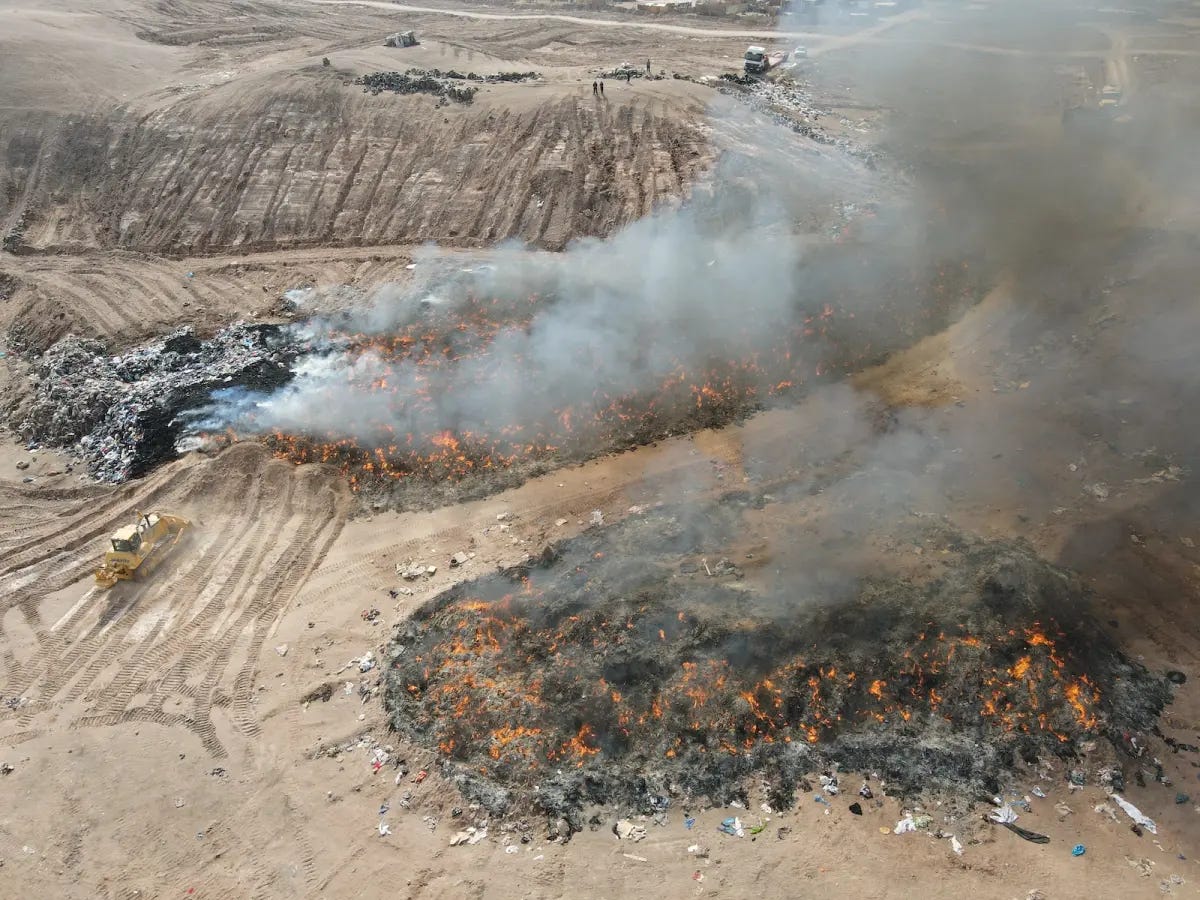
One of these is a regulated waste to energy plant. The other is waste being burned in the open. If we are going to talk about incineration, we should at least stop pretending these are the same thing.
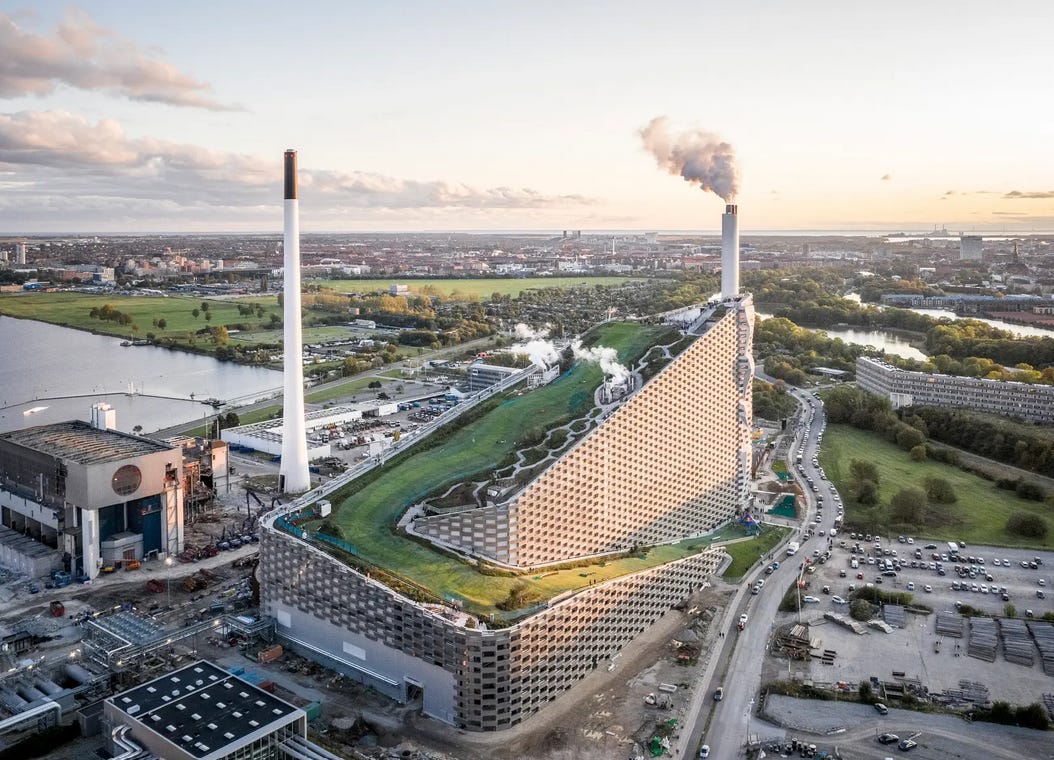
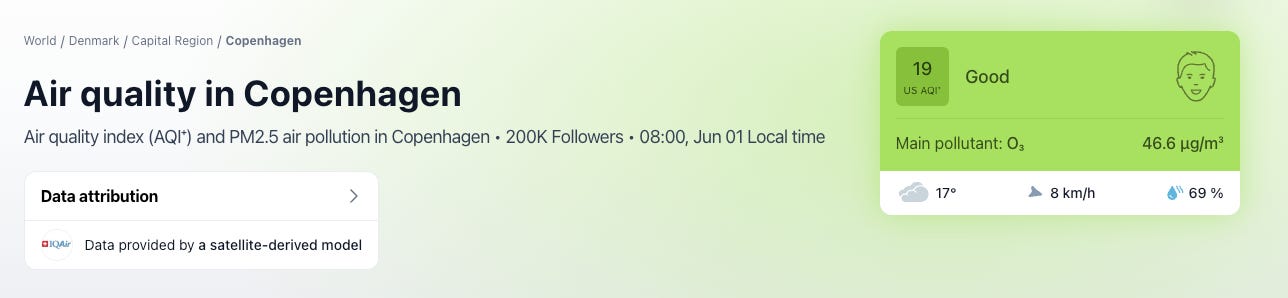
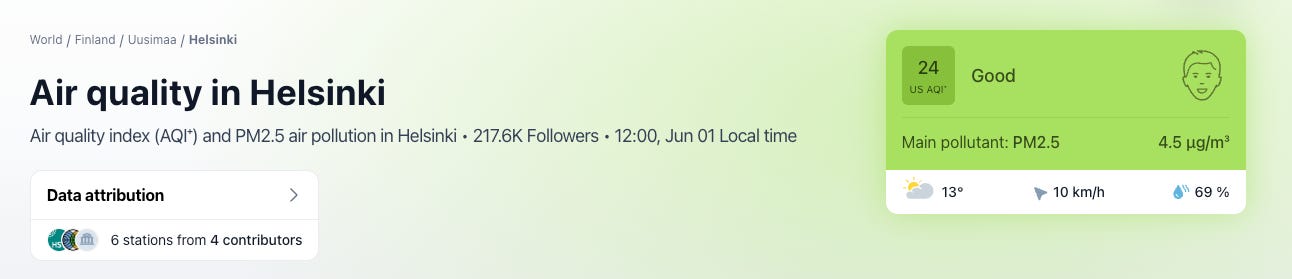
This creates an awkward situation for the argument that incineration means unbreathable air. Stockholm, Copenhagen, and Helsinki are not cities choking under incinerator smoke. They are cities with strong air quality performance by global urban standards, while also existing within regional waste systems that include modern waste to energy infrastructure. That does not prove incineration is harmless, and it does not erase the need for strict regulation, continuous monitoring, and transparent reporting. But it does mean the lazy equation of incineration with poisoned urban air does not survive contact with the air quality reality of the places where the technology is most mature.
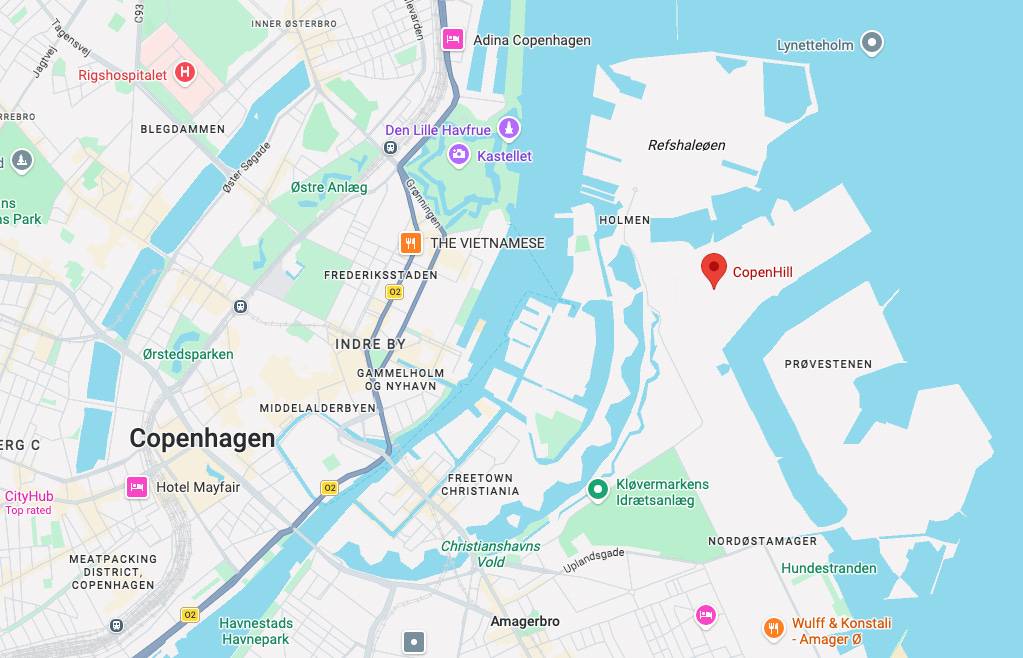
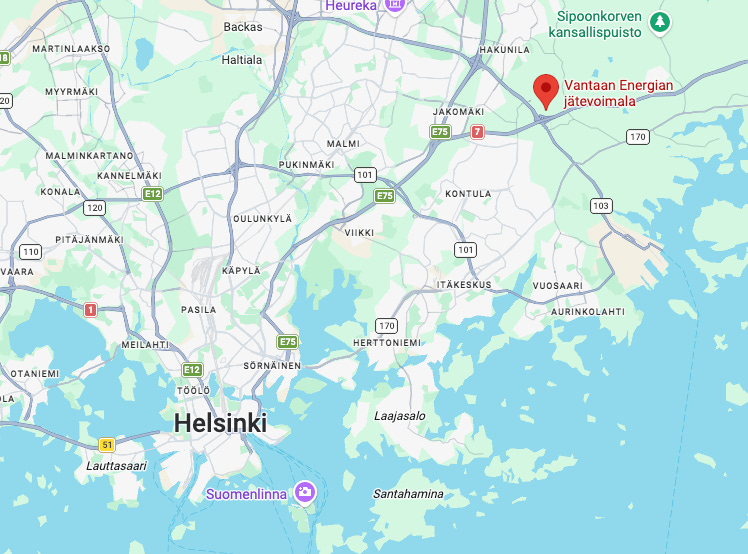
The geography makes the argument even harder to sustain. A substantial number of the textile recycling companies and fibre circularity ventures generating serious excitement in the sector are themselves Scandinavian or Nordic adjacent. Circulose emerged from Sweden’s textile recycling ecosystem. Infinited Fiber Company is Finnish. Södra’s OnceMore programme is Swedish. Syre is headquartered in Sweden and is trying to build recycled polyester infrastructure at industrial scale. This activity is concentrated in a region that has not chosen between recycling ambition and functional incineration infrastructure. It has both. The implicit argument that recycling can only grow if incineration is treated as the enemy is contradicted by the geography of where some of the most serious recycling activity is actually emerging.
One of the more intellectually frustrating versions of the anti incineration argument compares the energy generated from burning textile waste against the output of renewable electricity sources and concludes that the entire exercise is pointless. This comparison fails to understand what the energy recovery component of waste to energy actually is.
Modern municipal solid waste incineration facilities, including those processing textile fractions, operate under the framework of energy recovery as a byproduct of the primary function, which is waste treatment. The plant exists to destroy residual waste in a controlled, regulated way. The energy it generates in doing so is captured and fed into district heating systems or the electricity grid because it would otherwise be lost entirely. It is not a competing energy source. It is not built to reduce solar investment. It is not positioned in any serious national energy strategy as an alternative to renewable capacity. The energy comes out of a process that is happening because residual waste still exists, and capturing it is a basic engineering decision to extract some value from an unavoidable thermodynamic reality.
Comparing energy from waste to renewable energy as if they were competing deployment decisions is like comparing waste heat recovery from an industrial steel furnace to the output of a wind farm and concluding that the steel industry should stop recovering waste heat. The steel is being made. The heat is coming off. The question is whether to capture it or not. The comparison to a wind farm is simply not the relevant frame.
This matters because the energy recovery argument is consistently used to dismiss the entire system rather than to engage with what the system is actually doing. When a Scandinavian waste to energy plant sells heat into a district heating network that would otherwise be served partly by fossil fuel boilers or other heat generation sources, it can displace some fuel use in a sector where heat supply remains a real infrastructure challenge. That is not nothing. It is not the centrepiece of a decarbonisation strategy, and nobody serious claims it is, but it is a measurable system benefit that disappears if you misframe the question as “energy from waste versus renewables.”
The recycling community’s habit of identifying incineration as the structural barrier to its own growth is a displacement activity. The actual constraints on textile recycling expansion are feedstock quality, sortation infrastructure, processing chemistry, investment economics, and offtake certainty, in roughly that order. Incineration policy can influence waste flows and gate economics, but it is not the primary reason textile recycling has struggled to scale.
Feedstock quality is a function of how textiles are designed and how they are collected. The mechanical recycling sector loses significant value at every step where blended compositions cannot be separated and where fibre length is degraded by wear. Chemical recycling processes face their own compositional challenges: cotton rich streams have different requirements than polyester rich ones, and the presence of dyes, finishes, coatings, trims, prints, and elastane creates processing complications that are chemical in nature, not simply regulatory. These problems exist regardless of what happens at the end of the waste chain for material that cannot be sorted or processed economically.
Sortation infrastructure is genuinely underdeveloped in most European markets outside a handful of specialist operators. Sorting by fibre composition at industrial scale requires near infrared spectroscopy systems integrated into high throughput sorting lines, and while the technology exists, the deployment of it at the volume needed to create reliable, homogeneous feedstock streams for chemical recycling is years behind where it needs to be. Again, this is not caused by incineration alone. It is caused by underinvestment in an infrastructure layer that does not yet have clear business models, sufficient mandated demand, or reliable revenue structures in most jurisdictions.
Offtake uncertainty is probably the most significant investment constraint. Brands make public commitments to recycled content, and those commitments create the appearance of demand, but the commercial reality is far weaker. Voluntary brand commitments do not reliably become procurement contracts. Procurement contracts do not reliably create the pricing stability that makes a processing facility bankable. Without contracted demand, guaranteed volumes, price floors, or regulatory mandates with real enforcement, many recycling technologies are asked to raise capital on the basis of enthusiasm rather than durable market structure. Solving this requires minimum recycled content rules with teeth, financial mechanisms that de risk offtake for investors, or brand procurement models that move beyond symbolic pilots into binding demand. None of these problems are solved simply by attacking incineration.
Narratives that are weak but feel morally correct tend to persist because they are useful. The incineration as enemy framing is useful to parts of the recycling advocacy community for several reasons. It creates a clear antagonist, which makes fundraising and policy lobbying easier. It allows the sector to attribute its growth constraints to external opposition rather than to the genuinely hard infrastructure, chemistry, and market structure problems it faces internally. And it taps into a strand of environmental thought that prefers moral clarity to systems analysis, that finds it more satisfying to identify a villain than to trace the network of interdependencies that actually determines outcomes.
None of this makes the people making the argument cynical or bad faith. Most of them believe it. But that belief is doing more to organise outrage than to explain the system, and the difference matters when the argument is used to inform policy positions that could have real consequences for how waste is managed during the many years, and likely decades for some fractions, before recycling infrastructure reaches anything like the throughput needed to make the incineration question genuinely marginal.
The conversation the sector needs to be having is a more honest one about what recycling can process today, what it will be able to process in five and ten years under realistic investment scenarios, what happens to the remainder in the interim, and how the system as a whole, including incineration, reuse, repair, resale, recycling, composting where appropriate, and landfill as the last resort, should be sequenced and regulated to minimise harm while that infrastructure matures. That conversation requires treating incineration as a managed residual component of a transition system rather than as a moral failing. It also requires making sure incineration does not become a policy comfort blanket that excuses weak design, weak collection, weak reuse systems, or weak recycling investment. It is a difficult conversation, but one we really need to have.